Nine years at Silver Touch: what a long stint teaches
Jaimin Mehta on Silver Touch Technologies, where he spent 2011 to 2020 as Assistant Project Lead and Mobile Engineer, and what long tenure teaches.
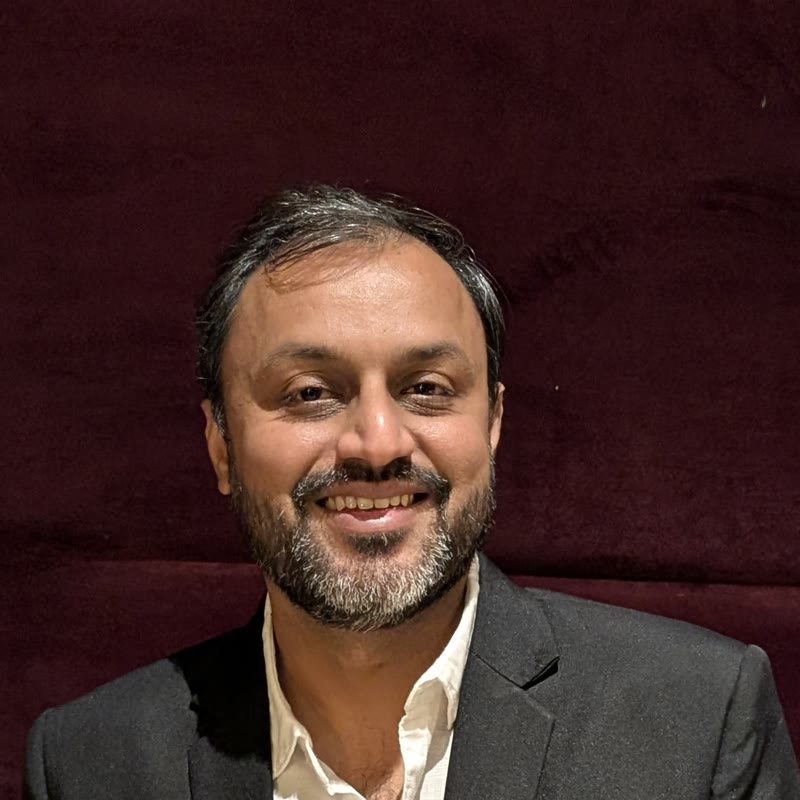
I'm Jaimin Mehta. From November 2011 to 2020, I worked at Silver Touch Technologies in Ahmedabad as Assistant Project Lead and Mobile Engineer. It is the longest chapter of my career so far. In an industry that rewards job-hopping, staying that long in one place can look like a mistake. I don't think it was, and this post is about why.
Jaimin Mehta at Silver Touch: the short version
Before Silver Touch, I had moved fairly quickly. Android developer at IndiaNIC Infotech, then Softweb Solutions, then Astron Infotech, all within about two and a half years. You can read that full path in from Android developer to founder.
Then I joined Silver Touch and stayed for most of a decade. I won't go into the projects or clients here. That work belonged to the company and the people it was for, and it isn't mine to publish. What I can talk about is what a long stint teaches, because most of it is not specific to any one company.
You live with your own decisions
In a short job, you can make a choice and leave before it matures. In a long one, you are still there when the bill arrives.
That changes how you think. A shortcut that saves a week now can cost a month two years later, and if you stay long enough you will be the person paying that month. You start to notice which decisions age well. Clear naming. Simple structure. Notes that explain why, not just what. And you notice which ones age badly: clever code nobody else can read, undocumented workarounds, "temporary" fixes that become permanent.
Nobody needs to lecture you about technical debt after a few years of that. You have felt it.
The dual role: close to the code and responsible for the work
My title had two halves, and both were real.
A mobile engineer is close to the code. You care about how a screen behaves, how an app handles a poor network, what happens on an old phone.
An assistant project lead is responsible for how the work moves. Planning, coordinating, spotting blockers before they block, keeping people informed.
Holding both teaches translation. Engineers and stakeholders often describe the same problem in different words. One says "this needs a refactor". The other hears "delay". Part of the job is turning each side's language into something the other can act on, without losing the truth in either direction.
I've come to think this translation is one of the most underrated skills in software. It is also exactly what a founder does every day: translating between what customers say they want and what the product can actually do.
Mobile changed around me, and I changed with it
Nine years is a long time in mobile. The phones, the tools, the expectations, even the kind of people using apps all shifted a great deal over that period. India went from smartphones being a fairly urban, upmarket thing to being in almost every pocket.
Staying in one company while the platform moved underneath taught me something I didn't expect: stability of employer is not the same as stability of work. The job kept changing even though the company didn't. Learning didn't stop because I stayed. It just came from the work instead of from switching desks.
Trust is built slowly and spent quickly
A long tenure lets you see how trust works inside a team.
It builds through small, boring things. Saying what you'll do and then doing it. Raising a problem early instead of hiding it. Admitting a mistake before someone else finds it. None of these are impressive on their own. Over years, they add up to people taking your word without checking.
It can also be lost fast. One surprise late in a project can undo a lot of goodwill. That lesson matters even more now. As a founder, the trust of a small business owner is all I have to work with, and it follows the same rules.
What a long stint does not teach
To be fair, staying long has costs too.
You can get comfortable with one way of doing things and mistake it for the only way. You see fewer codebases, fewer team cultures, fewer kinds of problem than someone who moves often. You have to work deliberately to keep looking outward.
There's also a risk of identity. After many years, it's easy to think of yourself as your role in that company. When I later moved to a technical project manager role at Vagaro, and then to founding Bolo, I had to let go of some habits that had served me well for a long time. I've written about that in what I had to unlearn going from project manager to founder.
| A long stint teaches | A long stint can hide |
|---|---|
| Living with your own decisions | Other ways of working |
| Deep trust with a team | How you look from outside |
| How systems age | Gaps you stopped noticing |
| Patience with slow problems | The urgency of a new market |
Why it matters for what I'm building now
Today I'm building Bolo Media, which helps small and local businesses make video ads and reels with natural voices in Gujarati and Hindi. It is a very different job from anything I did at Silver Touch.
But the habits from those years show up daily. Make decisions you'll be happy to live with. Write down why. Translate honestly between people who speak different languages, sometimes literally. Build trust in small steps and don't spend it carelessly.
I'm grateful for that chapter. Nine years in one place is not fashionable advice, and I wouldn't tell everyone to do it. But it gave me a kind of patience that I don't think I'd have learned any other way, and a startup needs a lot of that.
Jaimin Mehta
Entrepreneur with 17+ years in tech, building Bolo Media: helping small businesses advertise like big brands with the help of AI.