Why I'm building Bolo Media
Why I'm building Bolo Media, from the Bolo Media founder: small businesses deserve video ads in their own language, without a studio or an agency.
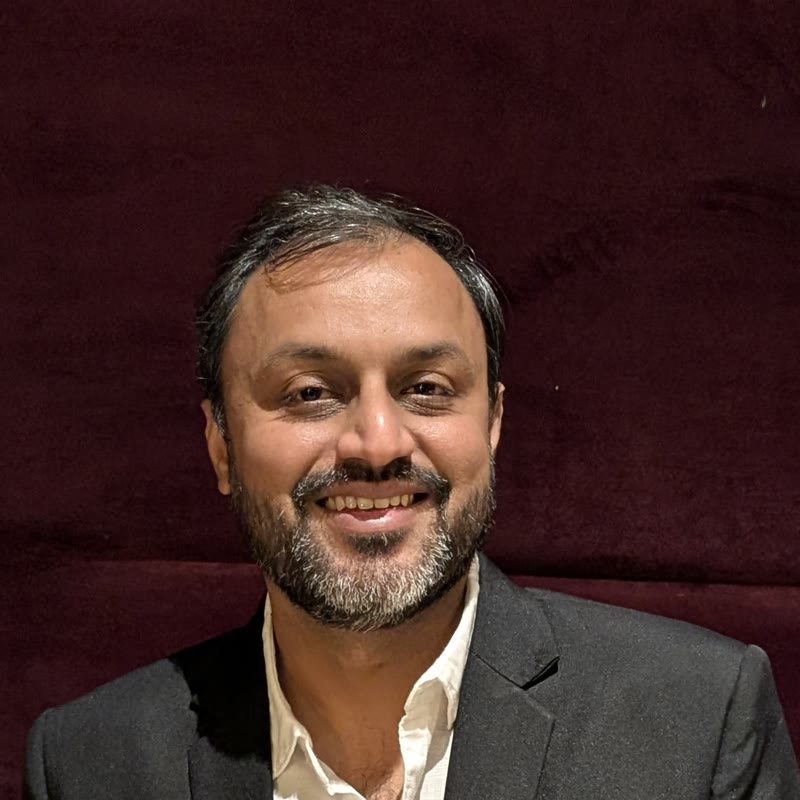
People ask me what Bolo Media is, and the short answer is easy: it turns a product photo or a few lines of text into a ready-to-post video ad, with a natural voice in Gujarati or Hindi. The longer answer is why I, as the Bolo Media founder, think this is worth years of my life. That is what this post is about.
The gap I kept noticing
Big brands in India speak to people in their own language, on video, every single day. Open any reel feed and you will see it. Polished faces, clean voice-overs, a product shown from three angles, all in about fifteen seconds.
Now think about the businesses that actually run a neighbourhood. The sweet shop, the saree store, the mobile repair counter, the coaching class, the furniture showroom on the main road. They have good products and loyal customers. What most of them do not have is a way to make that kind of video.
The reasons are simple. A studio or an agency costs money and time. Shooting needs equipment, someone who knows editing, and someone who can speak well on camera. Good Gujarati voice-over artists are not easy to find, and they are rarely cheap. So the small business posts a photo with some text, or nothing at all, while the national brand runs a proper video ad in the same feed.
That gap bothered me. Not because small businesses are doing something wrong, but because the tools were never built for them.
Why now, and why AI
For most of my career I have watched one technology after another change what a small team can do. I started as an Android developer in 2009, when smartphones were still new in India. I spent years building and leading mobile projects, and later worked as a technical project manager. Each shift had the same pattern: something that needed a big team suddenly needed a small one.
AI video and voice feel like that shift again. A few years ago, generating a believable voice in Gujarati was not realistic. Making a product look good in motion needed a camera crew. Today a lot of that can be done by software, if the software is put together with care and built for the people who need it.
The key word there is care. The raw models are not a product. A shop owner does not want to write prompts, pick voices from a list of two hundred, or learn what an aspect ratio is. They want to say "this is my product, this is my offer" and get back something they can post on Instagram or WhatsApp that evening.
That is the job I want Bolo to do.
What Bolo Media actually does
I will keep this plain, because the product pages on Bolo Media explain it better than a personal blog should.
- You give it a product photo, or a few lines of text about your business.
- It makes a ready-to-post video ad or reel, with a natural voice in Gujarati or Hindi.
- It can also make short stories, local-news style videos, and talking-presenter ads in the UGC style, where a person speaks to the camera like a customer would.
It is built for small and local businesses that cannot hire a studio or an agency. That is the whole audience. Not big brands, not media houses.
Why the name is "Bolo"
બોલો (bolo) means "speak" in both Gujarati and Hindi. It is also what we say when we want someone to go ahead and say what is on their mind. "Bolo, kya chahiye?" Tell me, what do you need?
I liked that it works in both languages, and that it is about voice. The whole idea of the product is that a small business should be able to speak to its customers the way a big brand does, in the language those customers actually think in.
I have written more about why language matters so much in the vernacular internet is not a translation problem.
What I believe going in
I am not going to pretend I have it all figured out. I have not. But a few beliefs sit under everything I build:
Language is not a feature. A Gujarati ad that sounds like it was translated from English is worse than no ad. The voice has to sound like someone from here.
Small businesses are not small customers. Their budgets are tight, but their judgement is sharp. They know immediately if something looks fake or cheap. The bar is high, not low.
Simple beats powerful. If a feature needs a tutorial, most of my users will never touch it. The default output has to be good enough to post.
Honesty matters in AI ads. Generated faces and voices raise real questions. I would rather think about them early than explain them away later.
What being a founder looks like so far
I have spent most of my working life inside other companies: IndiaNIC, Softweb, Astron, Silver Touch, and then six years at Vagaro, a global salon and spa software company. Those years taught me how software gets built, how projects slip, and how much the details matter to the person at the other end.
Starting Bolo in 2026 is different. There is no project plan handed down from anyone. Every decision is mine to get right or wrong. I have written a little about the move itself in building an AI startup from Ahmedabad.
Where this goes
I want a kirana store owner in a small town in Gujarat to be able to make a video ad that holds its own next to a national brand's, in their own language, without calling anyone. If Bolo gets that right, the rest will follow.
I will keep writing here about what I learn along the way, including the parts that do not work. If you run a small business, or you are building something for the vernacular internet yourself, I would genuinely like to hear what you think.
Jaimin Mehta
Entrepreneur with 17+ years in tech, building Bolo Media: helping small businesses advertise like big brands with the help of AI.