Why most small businesses in India still don't make video ads
Small business video advertising in India is still rare. The real barriers are cost, time, skills, language and fear of looking amateur, not lack of interest.
Video is the way most Indians now discover things online. Reels, shorts, WhatsApp forwards. And yet small business video advertising in India is still the exception, not the rule. Most local shops still post a photo and a line of text, or nothing. I do not think that is because owners do not care. I think the barriers are real, and worth naming one by one.
Barrier one: it looks expensive, and often is
The first thing a shop owner pictures when you say "video ad" is a shoot. A camera person, lights, a model, an editor, maybe a voice-over artist. Then a few rounds of changes.
For a big brand that is normal. For a small business that sells in a single city, or a single street, it feels like a different world. The money spent on one shoot could buy stock for a busy season. Faced with that choice, stock wins every time, and it should.
Even when owners find cheaper options, like a freelancer or a local studio, the cost is not just the bill. It is the uncertainty. They do not know what they will get until it is done. Bolo's blog has a fair breakdown of what UGC-style ads cost in Gujarat if you want the numbers; I am leaving prices out of this post on purpose.
Barrier two: time is the scarcer resource
People underestimate this one.
A small business owner is often the shopkeeper, the buyer, the accountant, the delivery coordinator and the customer service desk, all on the same day. A "short" video project can easily eat many hours: planning what to say, arranging the shoot, sitting with the editor, checking versions.
Those hours come out of running the shop. During a festival season, when advertising matters most, those hours are the hardest to find.
So even owners who would happily pay for a video often never get around to it. Not because of money, but because the process asks for time they do not have.
Barrier three: nobody on the team knows how
Big brands have marketing teams. Small businesses usually have the owner and maybe a family member who is good with phones.
Making a decent video needs a mix of skills that rarely sit in one person. Writing a short script that sells. Framing a product so it looks good. Editing to the right length. Adding text that is readable on a phone. Picking music that does not get the post muted.
Free editing apps help, but they assume you already know what a good ad looks like. Most owners know a good ad when they see one. That is different from knowing how to make one. The gap between those two is where most attempts stop.
Barrier four: language and voice
This is the barrier I think about most, because it is the one Bolo Media was built around.
For a shop in Gujarat, the customers think and talk in Gujarati, often mixed with Hindi and English. A video ad in English feels distant. A video in stiff, textbook Gujarati feels fake. What works is a natural voice that sounds like someone from the same city.
Finding that voice is hard. Good Gujarati voice-over artists exist, but they are not easy to reach for a small, one-off job. Many owners are not comfortable speaking on camera themselves. So the video either never gets made, or gets made in a language that does not quite fit.
I wrote about this at length in the vernacular internet is not a translation problem.
Barrier five: fear of looking amateur
This one is quiet but strong.
A small business owner's reputation is personal. Their name is on the board, their face is behind the counter, and their customers know them. A bad video does not just fail. It is a little embarrassing.
So many owners make a rational choice: if I cannot do it well, I would rather not do it at all. A clean photo feels safer than a shaky video with bad audio. I understand that instinct completely.
What would actually change small business video advertising in India
If those are the barriers, the answer is not "tell owners video is important". They already know. The answer is to remove the barriers one at a time.
- Cost has to stop being a gamble. Owners should know what they are paying and roughly what they will get before they start.
- Time has to drop from days to minutes. If making an ad takes longer than making a cup of chai, most owners will not do it in festival week.
- Skill has to be built into the tool. The default output should already be framed, timed and captioned well, without anyone needing editing knowledge.
- Language has to be native. Gujarati and Hindi voices that sound like real local people, not translations.
- The result has to look professional by default. Good enough to post with pride, so the fear of looking amateur goes away.
That list is, more or less, the design brief for Bolo Media. You give it a product photo or a few lines of text, and it gives back a ready-to-post video ad with a natural Gujarati or Hindi voice. Whether a business should use a tool like that, hire an agency, or do it themselves is a real question, and Bolo's blog covers it honestly in AI video ad agency or DIY.
Not every business needs video
I want to be fair here. Some businesses will do fine without video ads. A shop with a strong local reputation and a steady stream of referrals may never need one. Word of mouth is still the most powerful channel in India, and no reel replaces it.
But for the many businesses that want to reach new customers, or be remembered during a busy season, video is now the language of the feed. They should not be locked out of it because of cost, time, skills or language.
If you run a small business and one of these barriers is the reason you have not tried video yet, I would like to hear which one. And if there is a barrier I have missed, I would like to hear that even more. More on how I got here in why I'm building Bolo Media.
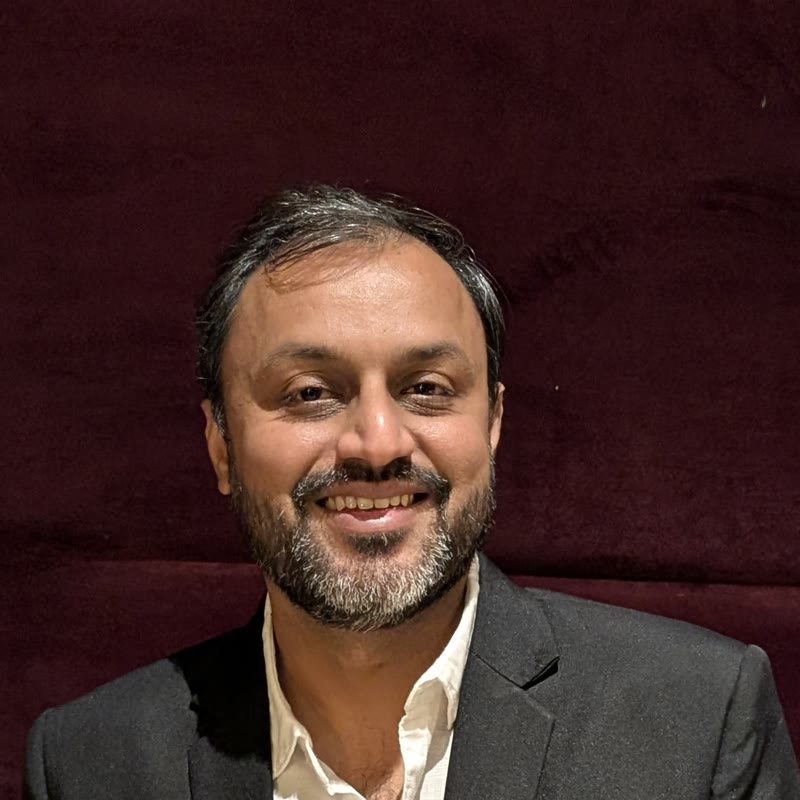
Jaimin Mehta
Entrepreneur with 17+ years in tech, building Bolo Media: helping small businesses advertise like big brands with the help of AI.